

How To Find a Hydraulic Fitting Supplier That Meets Both Your JIS and JIC Inventory Demands?
 2025-12-08
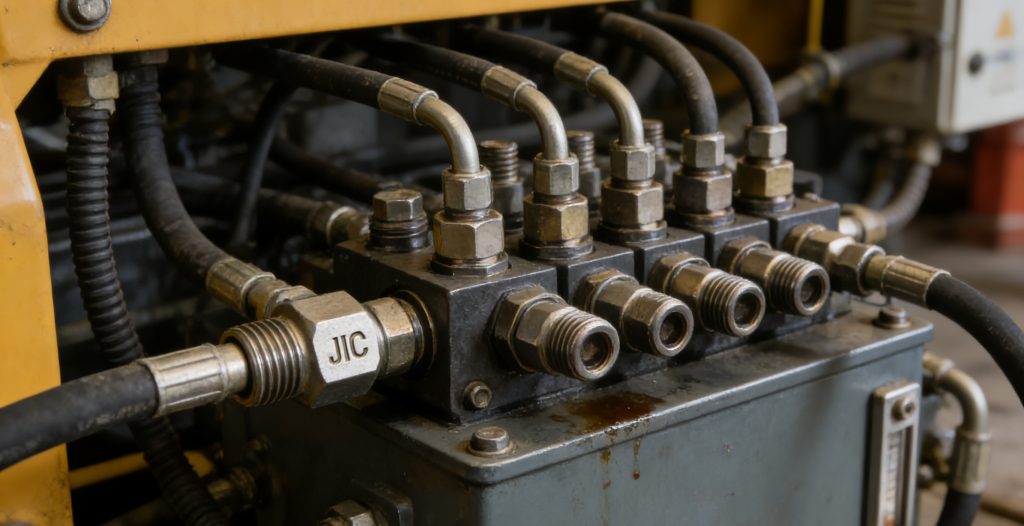
Table of Contents
You face a unique challenge when searching for a hydraulic fitting supplier that supports both JIS and JIC fittings. Supplier versatility streamlines your procurement process, accommodates diverse product ranges, and reduces downtime. Reliable partners like Novafit hydraulic fittings offer certified quality and custom solutions. The following strategies optimise supply chain efficiency:
| Strategy | Description |
|---|---|
| Supplier Audits | Evaluate suppliers for quality and capability. |
| Logistics Management | Optimise logistics to manage risks and costs. |
| Quality Control | Ensure remote quality assurance for high standards. |
How to Choose a Reliable JIC Hydraulic Fitting Supplier?
- Evaluate suppliers through audits to ensure they meet quality and capability standards.
- Maintain a robust inventory of JIC fittings to protect against supply chain disruptions.
- Prioritise suppliers with recognised quality certifications to guarantee safety and performance.
- Seek suppliers that offer technical support and customisation for unique operational needs.
- Compare multiple suppliers using a checklist to make informed decisions based on quality, cost, and reliability.
JIS and JIC Fittings Overview
What Are JIS Fittings?
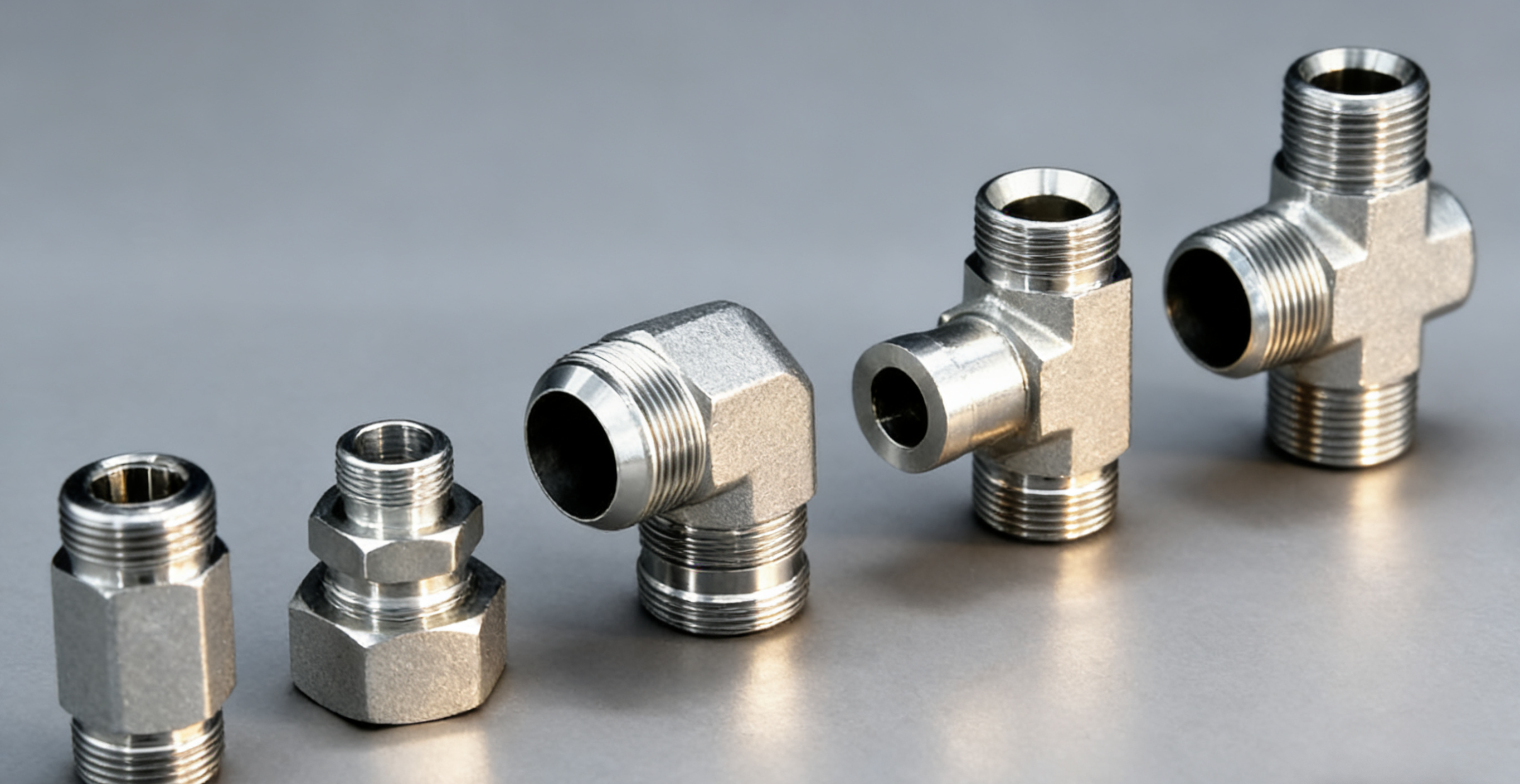
You will find that JIS fittings follow Japanese Industrial Standards. These fittings use metric threads and a 30-degree flare. Manufacturers design them for moderate to high-pressure environments, especially in Japanese and Korean machinery. The unique thread type and flare angle make JIS fittings suitable for specific hydraulic systems. You often see them in equipment that originates from Asia.
What Are JIC Fittings?
JIC fittings, based on SAE J514 standards, use Unified National threads and a 37-degree flare. These fittings handle high-pressure situations, sometimes up to 10,000 psi. You will encounter JIC fittings in a wide range of industries. They are common in heavy-duty applications and are known for their reliability and versatility. The typical applications of jic fittings include power steering and braking systems in the automotive sector, hydraulic connections in industrial manufacturing, and heavy machinery in construction.
Note: JIC fittings also appear in aerospace, agriculture, and marine industries, supporting steering, lifting, and winch operations.
Why Both Fittings Matter
You may need both JIS and JIC fittings in your inventory because many hydraulic systems use components from different regions. Compatibility issues between these fittings can cause leaks, reduce performance, or even lead to system failures. Selecting the right fitting for each application ensures system integrity and efficiency.
| Feature | JIS Fittings | JIC Fittings |
|---|---|---|
| Thread Type | BSPP thread | UN thread |
| Flare Angle | 30-degree flare | 37-degree flare |
| Pressure Ratings | Moderate to high pressure | High pressure (up to 10,000 psi) |
| Application Suitability | Japanese and Korean machinery | Heavy-duty and diverse applications |
You should always match the fitting to the system requirements. This approach prevents costly repairs and downtime, keeping your hydraulic operations running smoothly.
Key Criteria for JIC Fitting Suppliers
Inventory and Availability
You need a supplier with robust inventory levels to support your jic fittings requirements. Reliable suppliers maintain buffer stock to protect you from supply chain disruptions. You benefit from higher inventory levels during events like pandemics, natural disasters, or geopolitical tensions. Even a modest buffer stock can shield your operations from unexpected demand spikes.
- JIC inventory acts as a safety net during supply chain interruptions.
- Sufficient stock helps you meet customer demand when supply chains are strained.
- Buffer stock protects manufacturers from sudden increases in demand.
- You should order enough jic fittings to cover the maximum customer demand and lead times.
- Balancing inventory costs with reliability ensures you avoid costly delays.
A supplier like Novafit hydraulic fitting demonstrates strong inventory management, giving you confidence in a consistent supply for your applications.
Quality and Certifications
You must prioritise suppliers with recognised quality certifications. These certifications guarantee that your jic fitting meets international standards for safety and performance. ISO 9001:2015 is the most widely accepted certification, but others also indicate high standards.
| Manufacturer | Certifications |
|---|---|
| Kurt Hydraulics | ISO 9001:2015 |
| Jiayuan Hydraulics | ISO 9001, IATF 16949 |
| Brennan Industries | ISO 9001:2015, ISO 14001:2015, AS9100D |
| Air-Way Manufacturing | ISO 9001:2015, ISO 14001:2015 |
| Parker Hannifin | ISO 9001:2015 |
You should look for these certifications:
- ISO 9001:2015
- ISO 14001:2015
- AS9100D
- IATF 16949
Suppliers with these credentials, such as Novafit hydraulic fitting, deliver consistent quality and reliability. You reduce risk and ensure your hydraulic systems perform as expected.
Technical Support and Customisation
You gain flexibility when your supplier offers technical support and custom solutions. Off-the-shelf jic fittings may not always fit your specialised equipment. Custom hydraulic fittings address unique pressures, tolerances, and space constraints. You improve procurement flexibility and system performance with tailored solutions.
- Flexible product customisation meets your operational needs.
- North American clients often request customised parts for specific applications.
- Suppliers that handle engineering-to-order workflows adapt quickly to your requirements.
Custom fittings also ensure compatibility between JIS and JIC fittings. Suppliers design adapters that convert thread types, maintaining seal quality and flow. You avoid complications from using extra adapters, which can compromise performance.
Delivery and Cost
You need reliable delivery to keep your operations running smoothly. Suppliers with efficient logistics minimise delays and reduce risk. Cost is also a key factor. You want value without sacrificing quality.
| Manufacturer | Initial Cost | Quality Level | Safety Standards | Value Proposition |
|---|---|---|---|---|
| Parker Hannifin | High | Superior | Strict | Long-term reliability |
| Novafit hydraulic | Moderate | High | Certified | Cost-effective solutions |
Novafit hydraulic fitting offers certified quality at a moderate cost, making it a smart choice for many buyers. You balance quality and cost by comparing suppliers on these criteria. Reliable delivery and competitive pricing help you maintain your supply chain and control expenses.
Tip: Always ask your supplier about lead times, shipping options, and total cost breakdowns before placing large orders.
Evaluating JIC Fittings Supplier Capabilities
Supplier Questions to Ask
You need to ask the right questions when evaluating suppliers for jic fittings. These questions help you understand their strengths and weaknesses. Consider the following:
- What types of products do they manufacture? How long have they operated in the industry?
- Who are their key customers? What feedback do those customers provide?
- What is their manufacturing capacity? Can they scale production to meet your needs?
- What quality systems and certifications do they maintain, such as ISO 9001?
- How do they communicate with clients? Do they have systems for timely updates and support?
Asking these questions gives you a clear picture of the supplier’s reliability and ability to meet your hydraulic fitting requirements.
Verifying Inventory and Certifications
You must verify that suppliers can deliver the jic fittings you need. Start by collecting documents like certifications, licenses, and insurance verification. Validate these credentials with the issuing organisations. You should also:
- Request copies of quality management certifications and check expiration dates.
- Visit the supplier’s facility to inspect inventory levels and safety practices.
- Please compare the size and equipment of their facility with their claims.
- Perform formal audits to assess financial stability and ethical standards.
- Review sustainability efforts and overall business practices.
These steps ensure you work with a supplier who meets industry standards and maintains a reliable inventory.
Checking References and Reviews
You gain valuable insights by checking references and reviews. Reach out to past and current clients to learn about the supplier’s performance and reliability. Look for customer testimonials that highlight how the supplier handles challenges. Explore online ratings and industry forums to evaluate reputation, product quality, and customer service.
Tip: Consistent positive feedback and high ratings signal a trustworthy supplier for your jic fittings needs.
Comparing Multiple Suppliers
Supplier Comparison Checklist
You need a clear process to evaluate multiple suppliers before making a decision. A checklist helps you stay organised and ensures you do not overlook important factors. Consider these points when comparing suppliers:
- Product range and compatibility with your system requirements
- Certifications such as ISO 9001:2015 or IATF16949:2016
- Technical support and the ability to provide custom solutions
- Delivery reliability and logistics capabilities
- Pricing structure and overall value
- Industry focus and experience with hydraulic applications
- Customer service responsiveness and after-sales support
Tip: You should prioritize suppliers who demonstrate consistent quality, strong technical expertise, and proven reliability in your industry.
Using Tables for Evaluation
Tables allow you to compare suppliers side by side objectively. You can quickly identify strengths and weaknesses by reviewing key features in a structured format. Below is an example table that highlights important criteria for leading hydraulic fitting suppliers:
| Company | Product Range | Certifications | Service Focus | Industry Focus |
|---|---|---|---|---|
| Gates Corporation | Hydraulic and industrial hoses | Extensive R&D capabilities | High-performance solutions | Heavy industry, high-pressure |
| Parker Hannifin | High-performance hoses | Innovation emphasis | Tailored configurations | Various applications |
| Eaton Corporation | Versatile hoses | Integrated safety features | Competitive pricing | Industrial |
| Manuli Hydraulics | Advanced hydraulic hoses | High-pressure applications focus | Robust solutions | Heavy industry |
| Kuriyama of America | Wide range of industrial hoses | Safety standards | Quality assurance | Various industries |
| NovaFlex Group | Specialized hoses | FDA compliance | Chemical resistance | Food and chemical processing |
| Dixon Valve & Coupling | Machined and sanitary fittings | Safe Drinking Water Act compliance | Customer satisfaction | Food, beverage, biotech |
| TitanFittings | Hydraulic adapters and hose fittings | ISO 9001:2015 | Fast shipping, technical support | Energy, marine, chemical |
| Novafit Hydraulic | Hydraulic fittings, industrial hose | IATF16949:2016, ISO 9001:2015, ISO 14001:2015 | Technical expertise, logistics | Industrial, mining, agriculture |
| Brennan Industries | Hydraulic fittings, adapters | Aerospace-quality manufacturing | Full traceability, e-commerce | Engineering, mining, industrial |
You should use a table like this to compare your shortlisted suppliers. This method helps you make informed decisions based on objective data rather than assumptions.
Making the Final Choice
Balancing Quality and Cost
You face a critical decision when selecting a supplier for hydraulic fittings. You must weigh quality against cost to achieve the best value for your operations. High-quality fittings reduce maintenance and replacement expenses over time. You should not focus only on the initial price. Instead, consider long-term value and reliability. The following table highlights key factors to help you balance quality and cost:
| Factor | Description |
|---|---|
| ISO Certifications | Prioritise manufacturers with ISO certifications to ensure reliability. |
| Materials and Processes | Evaluate materials and manufacturing processes for durability and strength. |
| Long-term Value | Consider long-term savings from reduced maintenance and replacements. |
| Product Samples | Request samples to assess quality and compatibility with your applications. |
| Customer Reviews | Research reviews to understand manufacturer reliability and performance. |
| Long-term Partnerships | Build relationships for better pricing and consistent quality. |
| Complete Pricing Structure | Understand all costs, including hidden fees, to manage your budget. |
You should request product samples before making a large purchase. You gain confidence in the fitting’s compatibility with your system. Customer reviews and testimonials offer valuable insights into supplier performance. Building long-term partnerships with reliable manufacturers often leads to better support and pricing.
Ensuring Ongoing Support
You need ongoing support from your supplier to maintain hydraulic system reliability. Timely repairs and regular maintenance prevent minor issues from becoming major failures. You minimise downtime and reduce operational costs. Ongoing support also ensures your hydraulic fittings operate at peak performance, which improves safety and efficiency.
- Improved Reliability: You reduce unexpected failures and keep operations running.
- Cost Savings: You avoid expensive repairs by addressing issues early.
- Enhanced Safety: You maintain system integrity and lower accident risks.
- Increased Efficiency: You optimise energy use and boost productivity.
You should choose suppliers who offer technical support, maintenance services, and fast response times. These services help you maintain your hydraulic fittings and ensure your applications run smoothly. Reliable support builds trust and strengthens your supplier relationship.
You can secure the right hydraulic fitting supplier by following a structured approach:
- Assess supply chain risks and component criticality.
- Analyse demand volatility.
- Strengthen supplier relationships.
- Evaluate alternative sourcing strategies.
- Develop a hybrid approach for supply assurance.
Strong partnerships deliver high material quality, precise manufacturing, and responsive support. Use weighted criteria and objective scoring to compare suppliers. This method ensures you make confident, informed decisions for both JIS and JIC inventory needs.
FAQ
What is the difference between JIS and JIC hydraulic fittings?
JIS fittings use metric threads and a 30-degree flare. JIC fittings use UN threads and a 37-degree flare. You must match the fitting type to your equipment to avoid leaks and ensure system reliability.
How do you verify a supplier’s quality certifications?
You should request copies of certifications like ISO 9001:2015. Check expiration dates and confirm with the issuing organisation. Reliable suppliers provide documentation and answer your questions about quality standards.
Can you use adapters to connect JIS and JIC fittings?
Yes, you can use adapters to connect JIS and JIC fittings. You should select high-quality adapters to maintain seal integrity and prevent leaks. Always consult your supplier for compatibility guidance.
What questions should you ask a potential hydraulic fitting supplier?
- What inventory levels do you maintain?
- Which certifications do you hold?
- Do you offer custom solutions?
- How do you handle urgent orders?
- What industries do you serve?
Why is ongoing technical support important when choosing a supplier?
Ongoing technical support helps you solve installation issues, troubleshoot problems, and maintain system performance. You reduce downtime and improve safety by partnering with suppliers who offer responsive assistance.